2011–2015
SilesiaTopia
German-Polish Female Artist Project in Upper Silesia / Zabrze-Biskupice Borsig Works
SilesiaTopia 2014. Interview with Karina Pośpiech about the project, commissioned by the Heinrich Böll Foundation, Berlin.
SilesiaTopia at Galerie Rondo Sztuki in Katowice, Poland, Sept 7–22, 2013. Polish and German female artists exhibit together.
The initiator and artistic director of the project is Karina Pośpiech — painter, stage designer, filmmaker, and architect. She was born and raised in Zabrze-Biskupice, Poland, and has lived in Germany since 1977.
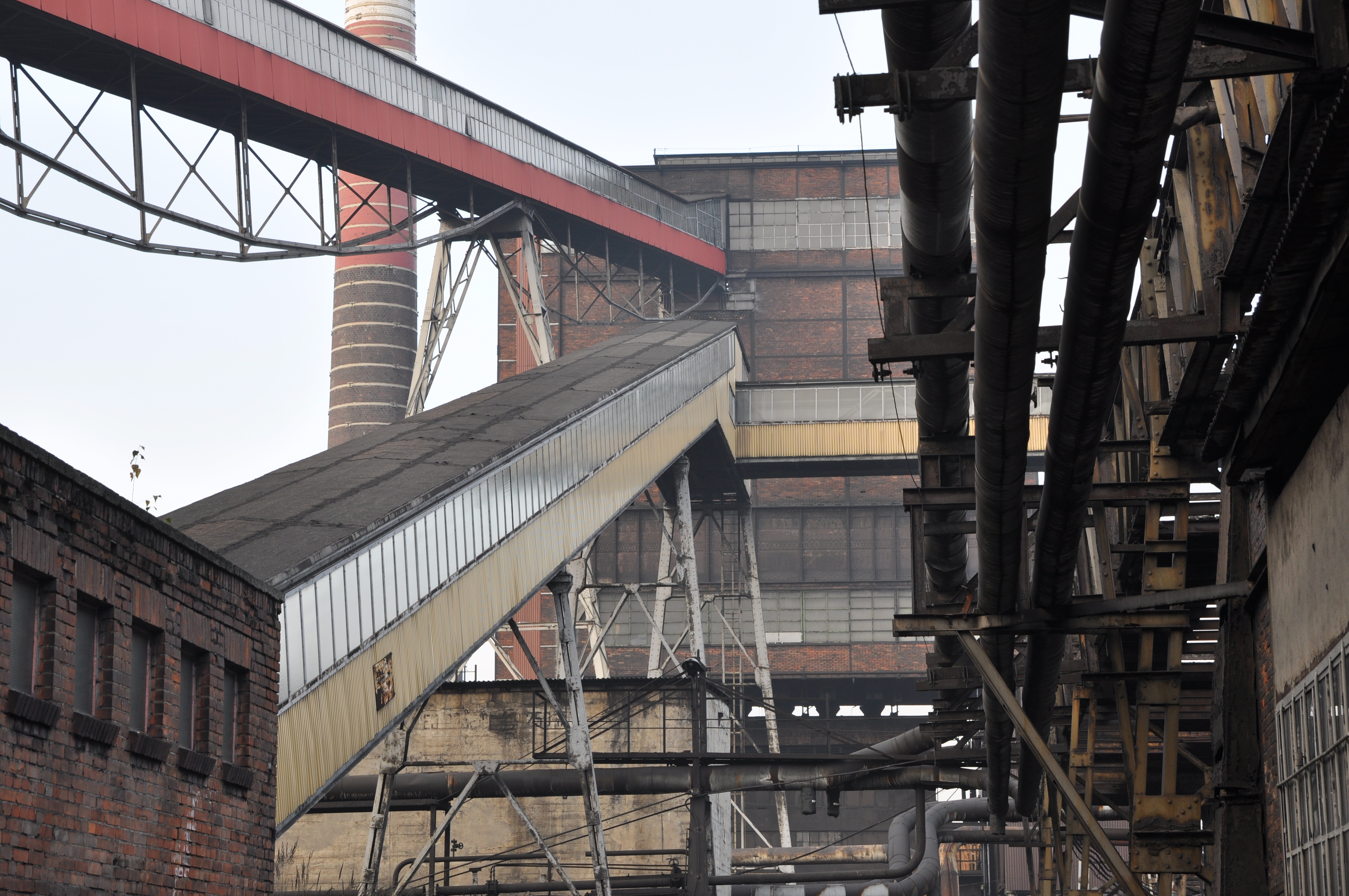
SilesiaTopia is a German-Polish artistic project with three focal points: artist exchange, participatory art actions, and exhibitions.
In summer 2012, 16 German and Polish female artists met for the first time in Zabrze and worked together for ten days on Polish-German history. Project start: June 2012, duration: 2 years. Exhibition venues 2013/2014: Katowice, Zabrze, Warsaw, Berlin.
The neighborly relationship between Poland and Germany is ambivalent. In the past, borders in Europe were shifted by force; today they are being opened. Since the socio-political turn of 1989, a new process of mutual rapprochement has begun. A united Europe offers an unprecedented opportunity for the relationship between both countries.
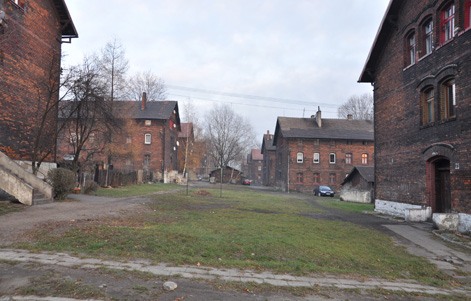
The historic Borsigwerk settlement in Zabrze-Biskupice, where the Temporary Gallery and the workshop with residents took place in summer 2012.
Cross-generational biography workshops, participatory art actions in public space, and a temporary tent gallery develop visions for the future in the European house.
SilesiaTopia sees it as the freedom, independence, and responsibility of art to take up themes contrary to the mainstream, to work contrary to political correctness, and to consciously enter no-go areas.
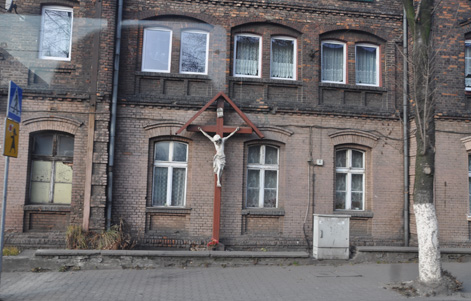
Historical and current migration movements, deindustrialization, and unemployment form the political background of our engagement with the region.
The model workers' settlement built by Berlin industrialist August Borsig in 1862 in Biskupice has been marked by unemployment and impoverishment since the closure of coal and steel operations more than ten years ago.
Silesia is distinguished by its historically striking cultural diversity. For centuries, various ethnic, religious, cultural, and economic actors have shaped this region. The specifically European character of the region results not least from this fact. The project traces the processes of change in Zabrze and visualizes political-artistic utopias.